
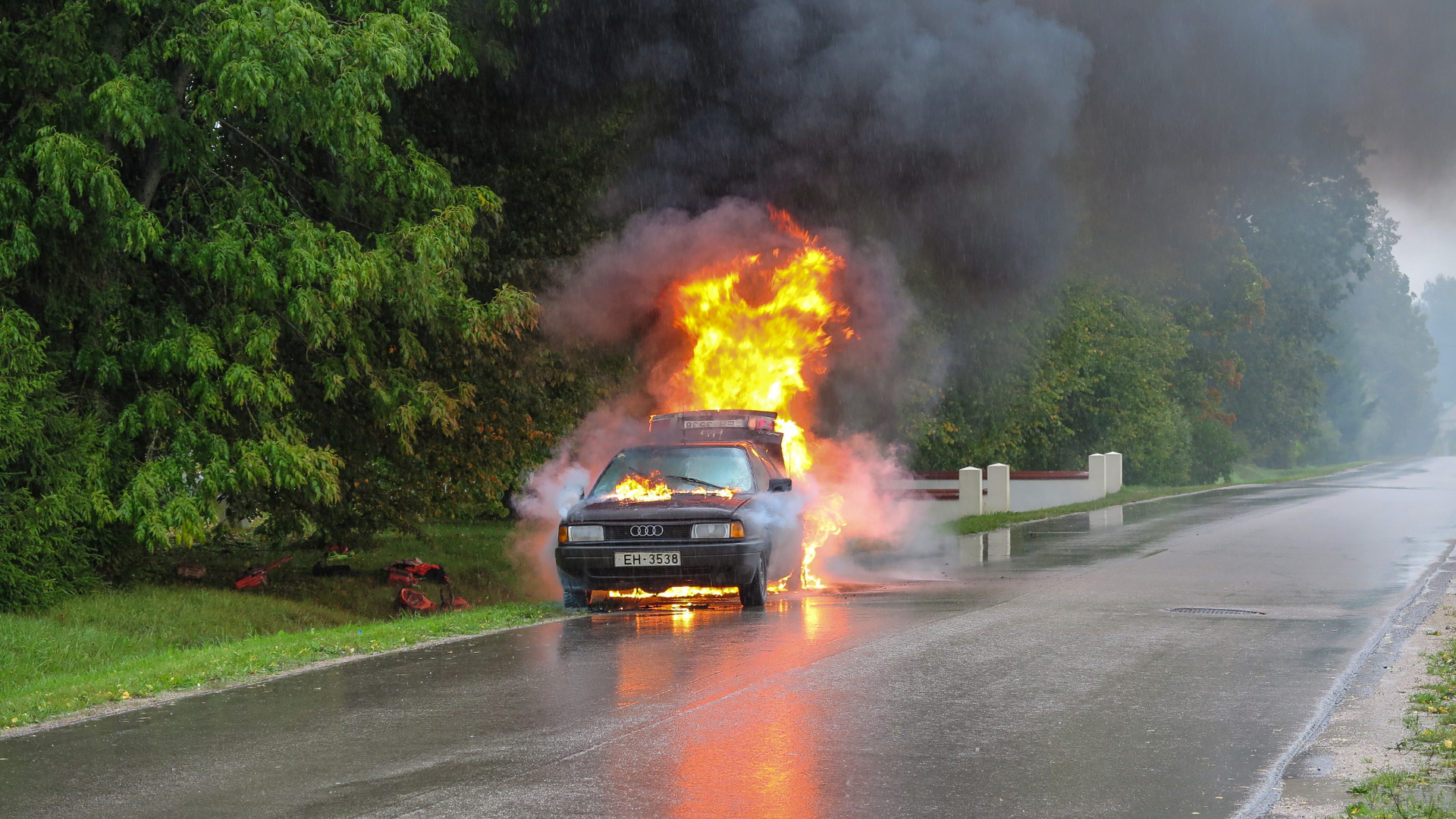
Accident towing recovery for a high-voltage electric vehicle (EV) or hybrid is entirely different from clearing a standard gas car from a New Jersey highway. Imagine standing behind the guardrail on Route 18 or the New Jersey Turnpike. Your vehicle just absorbed a severe impact. Your heart is pounding, not just from the crash, but because you are acutely aware of the massive lithium-ion battery pack running beneath your seats. You are terrified of a sudden, chemical battery fire. To make matters worse, you are wondering how you will pay for the specialized, high-tech recovery equipment currently rolling toward your location.
A high-voltage collision creates an immediate double emergency: a physical hazard on the asphalt and a financial hurdle with your insurance provider. Compromised battery packs require slow, meticulous stabilization to prevent catastrophic thermal runaway. This intensive process uses highly specialized tools that standard roadside memberships do not cover.
Fortunately, you do not have to handle the financial stress while dealing with a collision. At Polina Transporter LLC, we offer a certified 24 hour tow truck service in new jersey that handles both sides of the coin. We execute advanced thermal stabilization protocols on-site and manage complete insurance billing coordination directly with your provider, ensuring your vehicle is handled safely without causing unexpected out-of-pocket expenses.
Why EV Incidents Require Specialized Billing Coordination
When an internal combustion vehicle leaks fluid, a simple bag of absorbent material typically resolves the scene hazard. But when an EV or hybrid chassis is twisted or deformed, the structural integrity of individual battery cells is compromised. The vehicle retains “stranded energy,” meaning hundreds of volts remain trapped inside a damaged container.
Because the risk of high-voltage shocks and delayed-ignition chemical fires is high, the extraction process requires specific billing codes, extended monitoring times, and dedicated safety equipment. Standard car insurance policies completely cover these expenses under your comprehensive or collision benefits, but only if the recovery team provides the precise documentation, thermal readouts, and itemized scene logs that corporate adjusters require. Our billing department handles this verification pipeline from the moment our trucks arrive, giving your insurance carrier everything they need to approve the claim instantly.
Step-by-Step Thermal Runaway Prevention Tactics
To successfully secure an EV and guarantee your insurance company approves the specialized recovery costs, our field operators execute rigorous, step-by-step containment tactics. This strict sequence eliminates volatile energy pathways and stops internal battery fires before they start.
1. Side-Angle Isolation and Kinetic Stabilization
Electric powertrains do not roar to life; they are completely silent even when active. Our operators never approach a crashed hybrid or EV from the front or rear paths of travel. We approach exclusively from the side profiles. The wheels are chocked immediately, and the electronic emergency brake is engaged to ensure a computer glitch cannot cause the vehicle to launch forward unexpectedly.
2. High-Voltage Circuit Interruption
Every hybrid and electric vehicle features a manual first-responder safety loop or an isolated service disconnect plug, typically marked with bright orange tags. Our certified specialists locate and pull this loop under the hood or beneath the rear seats. This manual intervention opens the high-voltage contactor relays, containing the electrical current strictly within the insulated battery tray and preventing lethal current from energizing the exposed metal frame.
3. Digital Thermal Imaging Surveillance
Even after the system is powered down, internal chemical short circuits can brew silently. Our team utilizes advanced thermal imaging cameras (TIC) to scan the entire undercarriage battery enclosure continuously. We monitor the cell matrix for localized heat spikes or volatile temperature changes, providing real-time data that dictates whether the vehicle is safe for immediate transit or requires proactive cooling from local fire authorities.
4. Auxiliary Control Circuit Severance
The final field preventative tactic involves locating the standard 12-volt auxiliary lead-acid battery. By disconnecting or cutting the negative 12-volt cable, we drain the vehicle’s secondary electrical system of residual current. This step completely shuts down the onboard computers, preventing proximity key fobs from accidentally completing the high-voltage circuit remotely.
Insurance Frameworks: Standard Roadside vs. Advanced Accident Recovery
Understanding how your policy responds to a high-voltage vehicle incident is critical. Many drivers assume their basic emergency road service add-on will cover any scenario on the highway. In reality, standard roadside coverage is designed for minor mechanical breakdowns like flat tires or dead starter batteries, not complex structural extractions.
| Service & Operational Elements | Basic Roadside Assistance Add-On | Certified Accident Towing Recovery |
| Primary Financial Coverage Source | Small sign-and-glide caps ($100–$150 max per event) | Comprehensive or Collision policy benefits |
| Out-of-Pocket Risk Profile | High; driver must pay the steep balance out of pocket | Zero; managed completely via direct provider billing |
| Drivetrain Safety Equipment | Standard wheel lifts or basic hook-and-chain trucks | Specialized flatbeds, skates, and high-voltage PPE |
| On-Scene Hazards Addressed | Simple mechanical or electrical mobilization | Thermal tracking, loop isolation, and safe site management |
| Post-Incident Vehicle Storage | Dropped at a local repair shop or driveway | Isolated storage with a mandatory 50-foot clear perimeter |
How Our Seamless Direct Billing System Works
You should never have to split your attention between an active highway hazard and your wallet. Our operational network utilizes a standardized protocol to handle your carrier from the shoulder of the road.
- Comprehensive Digital Intake: We capture high-resolution photographic evidence of the vehicle’s structural damage, safe isolation zones, and thermal scan readouts directly on-scene.
- Direct Claims Coordination: Our field teams gather your policy number, claim details, and carrier data right at the scene, bypassing the need for you to act as an intermediary or pay upfront cash.
- Itemized Invoice Submission: We compile and submit an itemized billing packet detailing the exact high-voltage stabilization techniques used, removing the financial stress so you can focus entirely on your safety.
Frequently Asked Questions (FAQ)
What is insurance billing coordination in accident towing recovery?
It is a process where the towing company works directly with your auto insurance provider to handle all itemized costs associated with a collision recovery. Instead of paying out of pocket at the scene, the towing company submits digital scene documentation, thermal tracking logs, and recovery invoices straight to the insurance adjuster under your collision or comprehensive coverage.
Will my insurance company pay for the specialized tools needed for an EV tow?
Yes. If you carry collision or comprehensive insurance on your vehicle, your provider is legally and contractually obligated to cover the actual, necessary costs to safely stabilize and recover your vehicle. Because high-voltage vehicles present unique risks like thermal runaway, insurance companies routinely cover specialized flatbed extraction, safety gear, and isolated storage yard fees.
What happens if a damaged EV battery catches fire in a storage yard?
Compromised lithium-ion batteries can experience delayed thermal runaway hours or even days after a collision. To manage this risk, certified yards store crashed electric and hybrid vehicles in an open-air containment area with at least 50 feet of clear perimeter space away from structures and other vehicles.
Can a standard hook tow truck move my damaged hybrid or electric car?
No. Rolling an EV or hybrid with its drive wheels on the ground forces the electric traction motors to spin, turning them into active generators. This sends uncontrolled electrical voltage back into a potentially ruptured battery pack, creating a major fire risk. These vehicles must always be transported on a flatbed tow truck or isolated completely on heavy-duty wheel dollies.
