
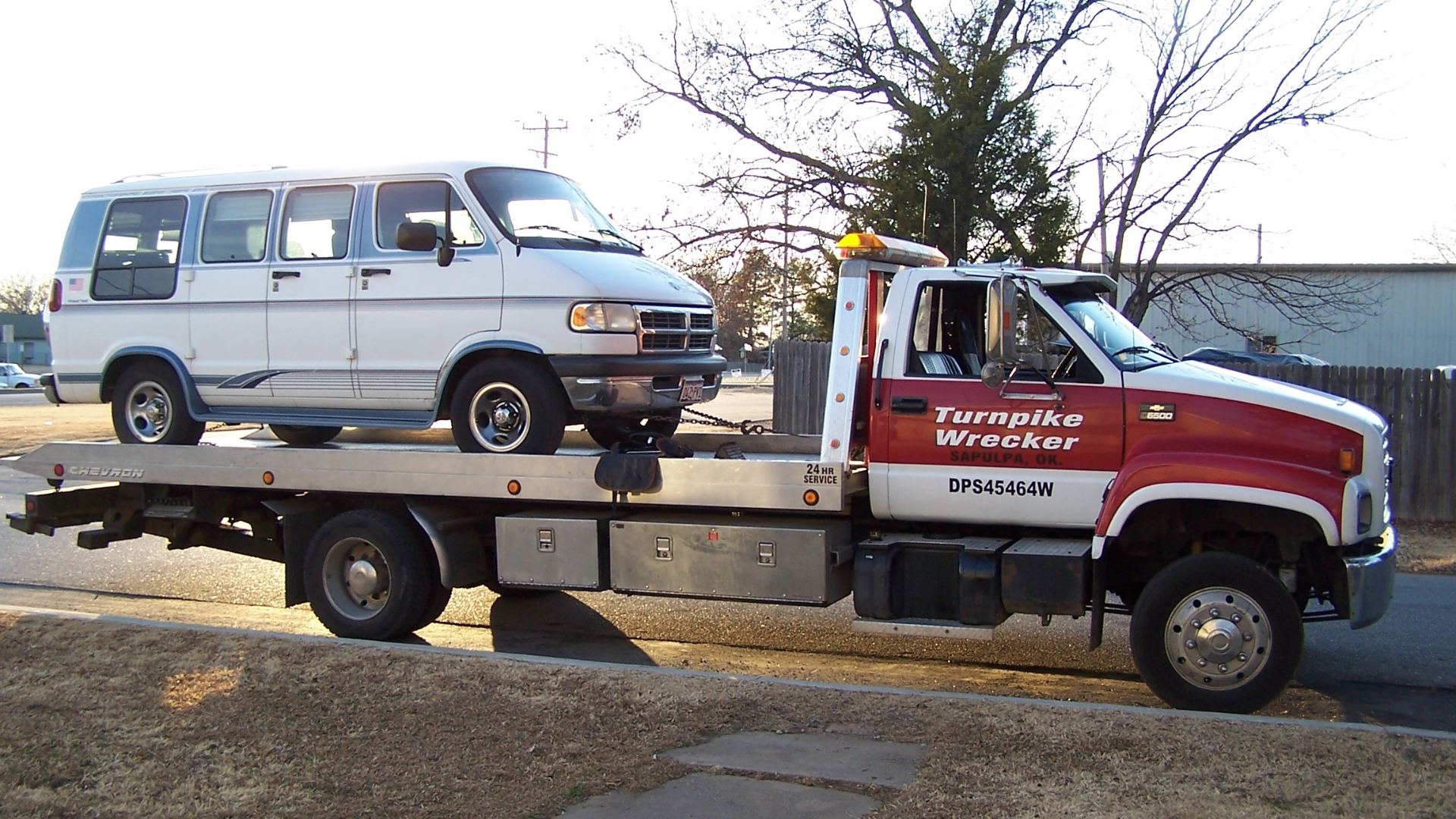
Every autumn, a familiar anxiety strikes thousands of northeastern residents: organizing the seasonal migration down to the Sunshine State. If you need seasonal transport from NJ to FL on a firm schedule, simply hoping for a clear highway is a recipe for massive logistical headaches. Booking an experienced tow truck New Jersey transport asset is the only definitive way to bypass the grueling 1,100-mile drive down the East Coast. At Polina Transporter LLC, we coordinate direct, door-to-door auto transport designed around real-world corridor conditions.
If you mistime the seasonal peak or pick a carrier that ignores real-time East Coast logistics, your vehicle could sit stranded at a northern transfer terminal for weeks. Even worse, it could get caught in severe multi-day highway bottlenecks, completely disrupting your winter arrival schedule.
The annual “snowbird” migration pattern completely reshapes the commercial shipping landscape along the Interstate 95 corridor. Navigating this hyper-congested shipping route requires deep logistics data, precise timing, and zero guesswork. This breakdown details how seasonal traffic variations dictate transit times, how to optimize your pickup windows, and how to execute a seamless relocation.
The I-95 Gridlock: Understanding Seasonal Transit Time Variations
Shipping a car between New Jersey and Florida is not a static mathematical formula. While an empty interstate allows a commercial hauler to cover the distance in roughly 2 to 3 days, seasonal demand surges and regional traffic spikes alter these numbers dramatically.
The I-95 corridor handles millions of commercial and passenger vehicles daily. When snowbird season hits, specific choke points slow down multi-car carriers. Long-haul operators are strictly bound by Federal Motor Carrier Safety Administration (FMCSA) Hours-of-Service regulations. When a truck spends 4 hours crawling through bumper-to-bumper traffic in northern Virginia, those are 4 hours cut directly from its legal daily driving limit. This creates a cascading delay that pushes out delivery dates.
Southbound Fall Peak (October – November)
This is the primary migration window. As temperatures drop in Bergen, Hudson, and Monmouth counties, carrier demand skyrockets by over 400%. Because hundreds of vehicles are moving south simultaneously, major multi-car trailers face severe delays at terminal collection hubs and exit points.
During this peak, expect standard transit times to stretch out. The primary bottlenecks occur at the Christiana Mall split in Delaware, the continuous construction zones around Fredericksburg, Virginia, and the massive freight convergence in Jacksonville, Florida.
The Mid-Winter Sweet Spot (January – February)
If your schedule allows for a mid-winter relocation, January and February offer the most stable transit windows of the entire seasonal cycle. The initial wave of holiday travelers and early-bird retirees has already settled south, lowering corridor demand.
Carriers move efficiently through open-highway stretches, yielding highly predictable transit times. The main variable during these months shifts from traffic congestion to sudden winter weather patterns across the Mid-Atlantic states, making enclosed transport an attractive option to shield finishes from road salt.
Northbound Spring Rush (March – May)
The mass exodus out of Florida back to the Tri-State area creates the tightest capacity constraints of the calendar year. This is the biggest traffic jam in the auto transport industry.
Because carriers are completely overwhelmed with northbound bookings, trucks are filled to maximum capacity weeks in advance. If your paperwork or booking lacks flexibility, your vehicle can face significant dispatch delays before it ever leaves the pavement in Miami, Tampa, or Orlando.
Comparing the Seasonal Shipping Windows
To help you align your personal travel plans with your vehicle’s arrival, this operational matrix breaks down the transit realities across the primary shipping seasons.
| Shipping Phase | Peak Traffic Months | Average Transit Time (NJ to FL) | Primary Corridor Bottlenecks | Recommended Booking Lead Time |
| Southbound Peak | October – November | 5 – 7 Days | Washington D.C. Beltway, Richmond, Jacksonville | 4 Weeks Advance |
| Winter Sweet Spot | January – February | 3 – 5 Days | Baltimore Harbor, Sudden Mid-Atlantic snow events | 2 Weeks Advance |
| Northbound Rush | March – May | 6 – 8 Days (Reverse Route) | Orlando I-4 Corridor, I-95 North through Carolinas | 4 – 6 Weeks Advance |
| Off-Peak Summer | June – August | 3 – 4 Days | Standard metropolitan construction zones | 1 Week Advance |
Tactical Preparation: Ensuring an On-Schedule Pickup
When you are shipping a vehicle on a tight, multi-state schedule, minor vehicle preparation errors can lead to missed pickup windows. Commercial haulers run tight route schedules; if a vehicle cannot be loaded safely within its designated time slot, the driver must move on to the next scheduled stop to prevent delaying the other 8 vehicles on the trailer.
- Maintain Operational Ground Clearance: Ensure the vehicle is fully operational with working brakes, inflated tires, and a functional battery. Non-running vehicles require specialized winch setups that must be flagged during booking.
- Clear Out All Personal Cargo: While many snowbirds attempt to use their trunks as auxiliary shipping containers, heavy internal cargo can cause the trailer to exceed strict interstate weight limits at Department of Transportation (DOT) weigh stations. Limit trunk items to under 100 pounds of non-valuable linens or soft goods.
- Keep Fuel Levels Low: A full tank of fuel adds unnecessary weight to the transport trailer. Keep the gas gauge at roughly one-quarter full. This provides plenty of fuel for the loading and unloading process while optimizing haul weight.
- Document Existing Conditions: Wash the exterior of the vehicle before the carrier arrives. This allows for a clean, undisputed visual inspection on the official Bill of Lading (BOL) during pickup and delivery.
Professional Transport Infrastructure with Polina Transporter LLC
Whether you are coordinating a long-planned seasonal move or require immediate asset relocation due to unexpected circumstances, working with a structured logistics provider makes all the difference.
While our regional teams are highly recognized for delivering rapid-response 24 hour tow truck service in New Jersey and handling complex highway accident towing recovery scenes, our operational reach extends directly into long-haul interstate vehicle transport. We leverage our deep fleet network and advanced dispatch routing to bypass predictable traffic centers, ensuring your vehicle arrives at its southern destination safely, securely, and completely on schedule.
Frequently Asked Questions (FAQ)
How far in advance should I book my seasonal vehicle transport?
For peak snowbird windows (October–November southbound and March–May northbound), it is best to lock in your transport schedule 4 to 6 weeks in advance. This guaranteed lead time allows dispatchers to secure a dedicated spot on an optimized long-haul route before capacities tighten and market rates increase.
What happens if my vehicle arrives in Florida before I do?
If your vehicle outpaces your flight down south, we can coordinate secure terminal holding solutions or adjust drop-off instructions with a designated proxy, such as a trusted neighbor or property manager. Always communicate your exact arrival window during booking so we can sync the transit schedule perfectly.
Is open carrier or enclosed transport better for seasonal relocation?
Open carrier transport is the most cost-effective and popular method for everyday sedans and SUVs. However, if you are moving a high-value luxury vehicle, a classic car, or a vehicle with custom paint, enclosed auto transport is highly recommended to protect the vehicle’s exterior from highway debris, road salt, and unpredictable Mid-Atlantic weather patterns.
Can a standard local tow truck handle an interstate snowbird move?
Local tow trucks are engineered for short-distance recoveries and regional transport. Long-haul interstate vehicle transit requires heavy-duty multi-car carriers or specialized drop-deck commercial trailers designed to minimize wear over thousands of highway miles while adhering to federal interstate compliance rules.
