
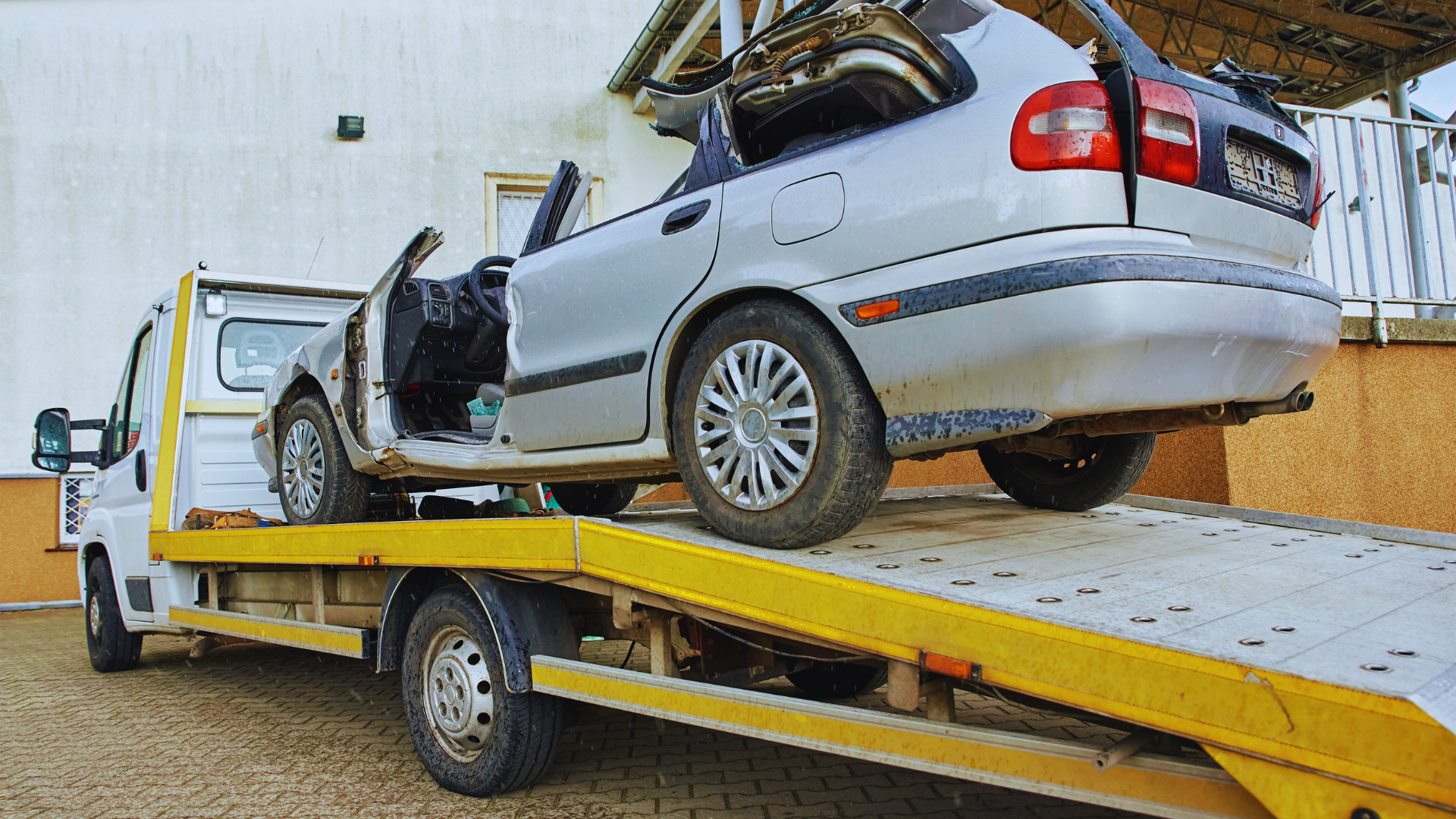
A jackknifed semi is an 80,000-pound roadblock. The trailer swings out, the cab violently pivots, and suddenly, three lanes of interstate traffic are deadlocked. First responders secure the perimeter, but the immediate question for everyone—from state troopers to the stranded commuters and the logistics manager tracking the freight—is the same: How long will this highway be shut down?
The answer depends entirely on the expertise of the crew handling the accident towing recovery.
Every passing minute bleeds money for the freight carrier and exponentially increases the risk of secondary collisions. If you rely on outdated extraction methods, you could be looking at an all-day highway closure. Modern recovery is a calculated science. By breaking down jackknifed tractor-trailer extraction timelines, we can see exactly why advanced techniques like air-cushion recovery are rendering traditional winching obsolete for loaded trailers.
The First Hour: Chaos Control and Scene Assessment
The clock starts the moment dispatch receives the call. Rapid response is the backbone of effective emergency road service. Upon arrival, the recovery incident commander conducts a 360-degree hazard assessment.
- Is there a hazmat spill? Diesel leaks require containment before heavy machinery moves in.
- Is the frame compromised? A structural failure dictates whether the truck can be towed or if it requires a lowboy trailer transport.
- Is the cargo live? Shifting loads, like hanging meat or bulk liquids, dramatically alter the center of gravity.
This initial sizing-up takes roughly 15 to 30 minutes. From there, the extraction strategy is locked in.
Extraction Timelines: Air-Cushion vs. Traditional Winching
The difference between clearing the road by rush hour or shutting it down until midnight comes down to the extraction method. Here is the raw breakdown of how long it actually takes to untangle a jackknifed rig.
The Traditional Winching Method (The Heavy Pull)
Estimated Highway Closure: 4 to 8+ Hours
Historically, uprighting and untangling a loaded trailer required brute force. Heavy-duty wreckers, often utilizing a “catch and snatch” block system, drag and pull the trailer back into alignment.
The fatal flaw of this method is the load. Winching a fully loaded trailer puts massive stress on the trailer’s walls. To prevent the trailer from ripping open like a tin can, crews usually have to offload the cargo first.
The Traditional Timeline:
- Rigging (45 mins): Chains and straps are secured to structural points.
- Offloading Cargo (2 – 4 hours): Hand-bombing pallets from the wrecked trailer to a rescue trailer.
- The Pull (1 – 2 hours): Winching the cab and trailer apart, uprighting them, and prepping for the tow.
The Air-Cushion Recovery System (The Lift)
Estimated Highway Closure: 1 to 3 Hours
This is where the industry standard has shifted. Instead of fighting the weight, elite recovery teams leverage pneumatics. High-pressure, heavy-duty air cushions are strategically wedged beneath the side of the downed trailer.
Powered by air compressors, these bags inflate slowly, providing a massive, evenly distributed lifting force spread across the entire surface area of the trailer wall.
The Air-Cushion Timeline:
- Placement (30 mins): Cushions are positioned beneath the trailer.
- The Lift (30 – 45 mins): Gradual inflation uprights the trailer smoothly.
- Stabilization & Tow Prep (30 mins): Wreckers secure the uprighted rig, disengage the fifth wheel if necessary, and hook up for transport.
Because the lifting force is distributed, crews can upright a fully loaded trailer without offloading the cargo. This eliminates hours of manual labor and gets the highway open exponentially faster.
Method Comparison Breakdown
| Feature | Air-Cushion Recovery | Traditional Winching |
| Average Timeline | 1 to 3 Hours | 4 to 8+ Hours |
| Cargo Offloading | Rarely required | Almost always required |
| Risk to Trailer Body | Low (Distributed pressure) | High (Point-stress tension) |
| Ideal Scenario | Loaded dry vans, reefers, fragile cargo | Empty trailers, flatbeds, heavy machinery |
| Traffic Impact | Minimal lane closure duration | Major, prolonged highway shutdown |
Variables That Sabotage the Clock
Even with top-tier equipment, a few uncontrollable factors can stretch jackknifed tractor-trailer extraction timelines:
- Weather and Terrain: Mud, ice, or steep embankments compromise the footing of heavy-duty wreckers (rotators). If the outriggers can’t bite into solid ground, the pull cannot happen safely.
- Severe Trailer Integrity Damage: If the kingpin is sheared or the trailer floor is snapped, lifting it as a single unit becomes impossible. The recovery pivots from a standard lift to a complex, multi-wrecker crane operation.
- Hazmat Protocols: A ruptured saddle tank or leaking hazardous cargo immediately halts heavy lifting. Environmental cleanup crews must secure the spill before the extraction resumes, adding hours to the clock.
Deploying the Right Fleet for the Job
When a commercial driver hits a slick patch on the Turnpike and the trailer swings forward, you don’t need a guy with a tow truck; you need an orchestrated heavy rescue unit. You need operators who understand the physics of a 40-ton load shift.
Whether you are an owner-operator or managing a national fleet, partnering with a reliable 24 hour tow truck service in new jersey ensures that when disaster strikes, the right equipment—specifically 50-ton rotators and air-cushion systems—is dispatched instantly. Polina Transporter LLC specializes in rapid-deployment heavy recovery. We don’t guess. We execute. Our priority is clearing the scene safely, mitigating cargo damage, and drastically cutting down downtime.
Frequently Asked Questions
How long does it take to clear a jackknifed semi?
Depending on the equipment used and whether the trailer is loaded, clearance takes anywhere from 1.5 hours (using air cushions) to over 8 hours (if manual cargo offloading and traditional winching are required).
Do you have to unload the trailer before uprighting it?
Not always. If the recovery team utilizes an air-cushion recovery system, the lifting force is distributed evenly across the trailer’s surface, allowing them to upright fully loaded trailers without emptying them first.
Does a jackknife accident total the truck?
It depends on the severity of the angle and the speed of the crash. A low-speed jackknife might only damage the cab extenders and the trailer’s front corner. A high-speed incident often twists the frame, shears the kingpin, and compromises the structural integrity of both the cab and trailer, resulting in a total loss.
Why is heavy-duty towing so expensive?
Heavy-duty recovery requires specialized, million-dollar equipment (like 50-ton rotators), highly trained operators, massive insurance policies, and significant risk management. You aren’t just paying for the tow; you are paying for the expertise to safely clear an 80,000-pound disaster area without destroying the highway or the cargo.
