
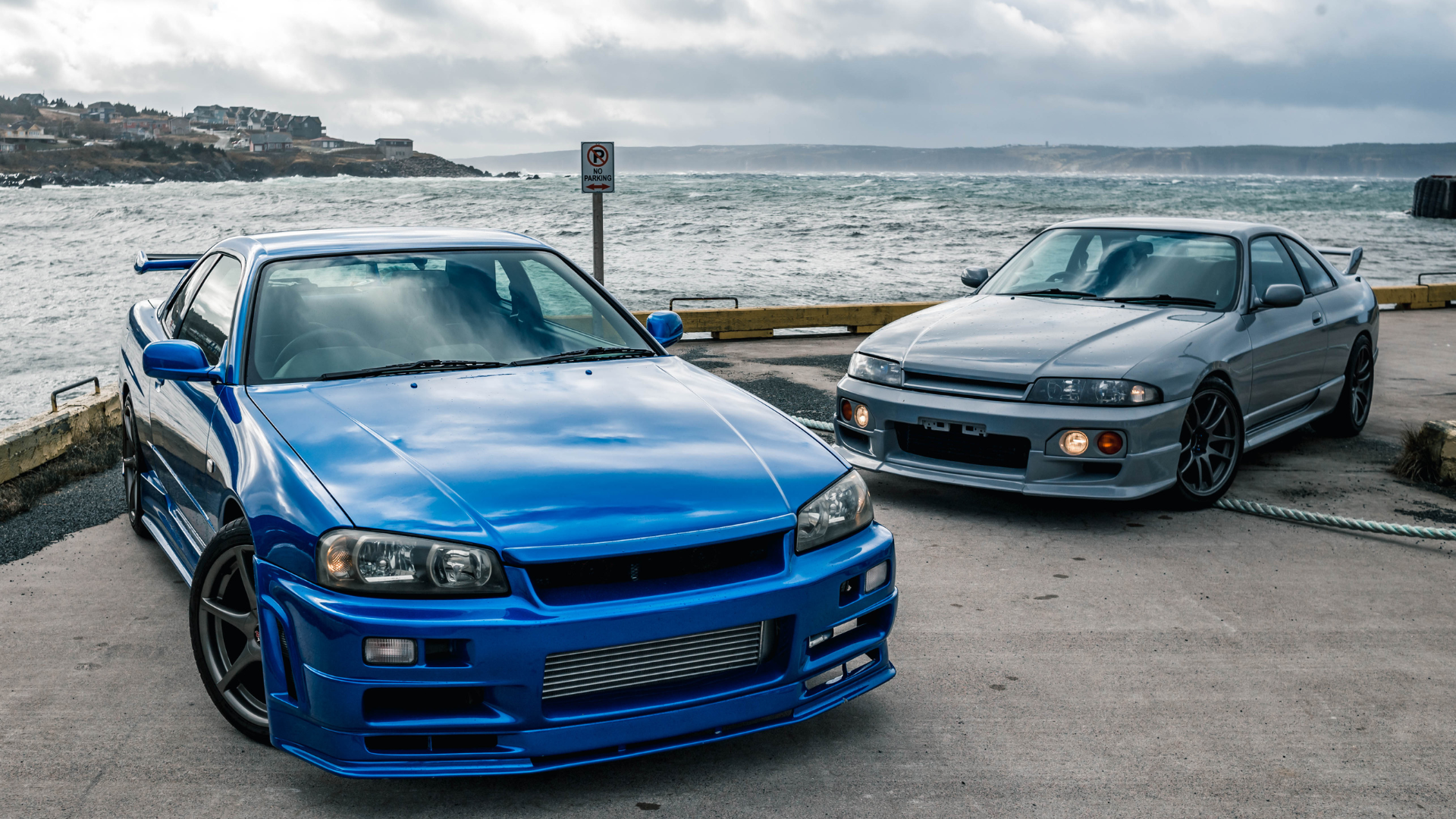
That sickening, high-pitched crunch of a custom carbon fiber splitter scraping against structural steel is every modified car owner’s worst nightmare. When your stance build, track day weapon, or slammed exotic breaks down on a New Jersey highway, getting the best roadside assistance isn’t just a matter of convenience, it is an exercise in damage prevention for your undercarriage. Standard fleet tow operations often treat modified vehicles like factory-height commuter crossovers, leading to destroyed body kits, cracked side skirts, and mangled exhaust components.
At Polina Transporter LLC, we recognize that custom automotive engineering demands custom recovery solutions. We don’t guess whether your car will clear the deck; we use concrete geometry and specialized equipment to ensure a damage-free transport every time. Whether you need an standard transport or an emergency accident towing recovery, preserving your vehicle’s structural integrity is our highest priority.
Specialized Equipment That Eliminates Undercarriage Scraping
Understanding the mathematics is only half the battle; executing a safe load requires having the right mechanical assets on the scene.
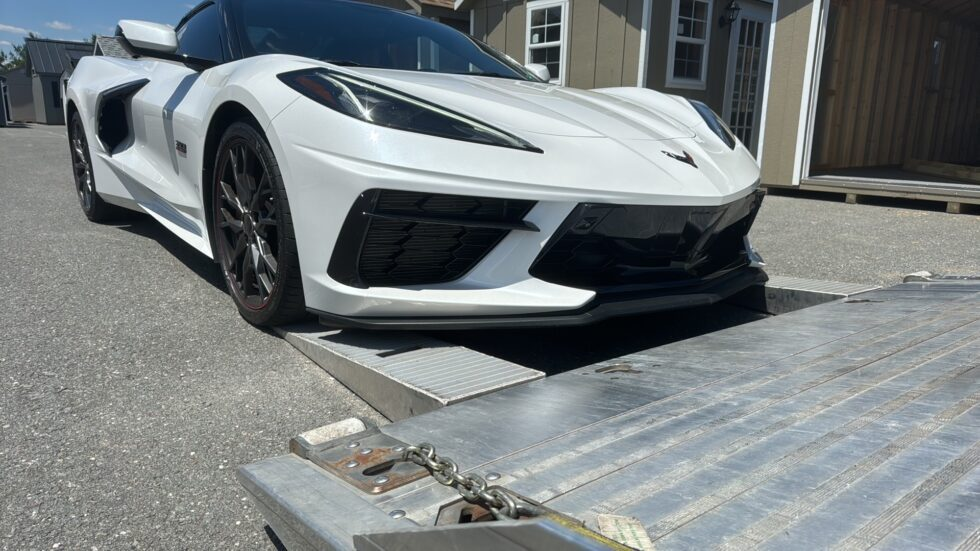
When you analyze the visual above, notice how the long aluminum extension ramps stretch out the loading plane. By effectively doubling the horizontal distance of the ramp incline, we drop a steep 12-degree angle down to a safe, low-clearance transition zone. This ensures that the front tires make physical contact with the ramp and begin lifting the chassis before the front splitter ever reaches the deck structure.
Our 24 hour tow truck service in new jersey utilizes three specific field configurations to transport low-profile builds safely:
1. Low-Angle Rollback Decks (Bed-On-Ground Technology)
Standard flatbeds tilt and slide backward, creating a sharp apex at the ground level. We utilize specialized low-profile rollback beds that feature a secondary articulation hinge. This architecture allows the tail end of the bed to lay completely flat against the asphalt, reducing the initial loading angle to less than 6 degrees before extensions are even introduced.
2. High-Density Polymer Race Ramps
To bridge the remaining gap for extremely low vehicles, we deploy progressive-rate high-density polymer race ramps. These interlocking blocks are placed directly at the foot of the flatbed. They feature a gradual, curved incline that matches the natural arc of a compressing suspension, allowing the front end to lift smoothly without abrupt vertical shifts.
3. Wood Blocking for Over-The-Apex Transitions
Scraping doesn’t just happen at the bottom of the ramp; it also happens at the top breakthrough point, where the bed meets the truck frame. This is known as the breakover angle challenge. As the front wheels cross onto the flatbed deck, the midpoint of a long wheelbase car can high-center or bottom out. We strategically position tiered wood blocks beneath the drive wheels to maintain a level chassis height until the entire midsection clears the apex.
Comparing Transport Options for Low-Clearance Vehicles
Choosing the right asset for your vehicle’s specific height profile dictates the overall safety of the journey. The table below details how common towing configurations perform when dealing with lowered or modified machinery.
| Transport Method | Minimum Safe Clearance | Structural Mechanics | Undercarriage Risk Profile |
| Standard Conventional Flatbed | 6.0 Inches | Rigid single-tilt steel or aluminum deck. | High Risk: High probability of nose-diving into the ramp or high-centering at the bed apex. |
| Low-Angle Rollback + Race Ramps | 2.5 Inches | Articulating dual-axis bed with extended approach paths. | Low Risk: Highly controlled transition; ideal for stance builds, imports, and supercars. |
| Enclosed Exotic Transport | 1.5 Inches | Hydraulic lift-gate mechanism that remains completely horizontal during loading. | Zero Risk: No incline transition required; maximum protection from road debris during transit. |
| Wheel-Lift Towing (Spectacle Frame) | Variable | Lifts the tires directly via hydraulic cradles while leaving opposing wheels on asphalt. | Prohibited: Causes immediate body kit, oil pan, and low-hanging exhaust damage. |
Proactive Steps for Owners of Modified Vehicles
If your modified vehicle leaves you stranded on the side of the road, taking control of the scene early can prevent accidental damage from a less-experienced operator.
- Know Your Measurements: Keep your exact front lip ground clearance and front overhang numbers saved in your smartphone notes. Providing these dimensions to our dispatchers lets us send the exact truck configuration required for your vehicle.
- Utilize Removable Components: If you run a quick-release front bumper or an adjustable front air splitter, remove it before the tow vehicle arrives. Taking five minutes to detach these elements completely eliminates the risk of front-end damage.
- Verify Tow Eye Presence: Factory tow hooks thread directly into structural bumper beams. If you have an aftermarket bumper or a hidden crash bar, ensure your tow eye loop is accessible in your trunk kit so our operators can winch the vehicle smoothly without attaching chains to vulnerable suspension control arms.
Frequently Asked Questions (FAQ)
Can a slammed car with an air suspension system be safely towed?
Yes. If your air suspension system is fully functional, we recommend airing up to maximum ride height prior to loading to give the chassis optimal clearance. If the air suspension system has completely failed or blown a bag leaving the car completely bottomed out, we utilize specialized low-profile wheel dollies or low-friction polymer skates to lift the chassis safely without touching the body paneling.
Why should I avoid traditional hook-and-chain or wheel-lift trucks for my lowered vehicle?
Traditional wheel-lift trucks lift one axle into the air, which automatically drops the opposing low-profile bumper closer to the asphalt. This creates an extreme risk of the bumper hitting speed bumps, potholes, or steep transitions during transport. Additionally, traditional chains can easily crush low-hanging aluminum control arms, custom exhaust pipes, or oil pans.
What should I look for when choosing the best roadside assistance for an exotic or modified car?
You should look for a service provider that owns dedicated flatbed rollbacks, offers specialized low-clearance auxiliary ramps, and carries specific garage-keepers liability insurance explicitly covering modified or exotic vehicles. Always verify that the operators are trained in winching via structural tow eyes rather than tying down via suspension components.
