
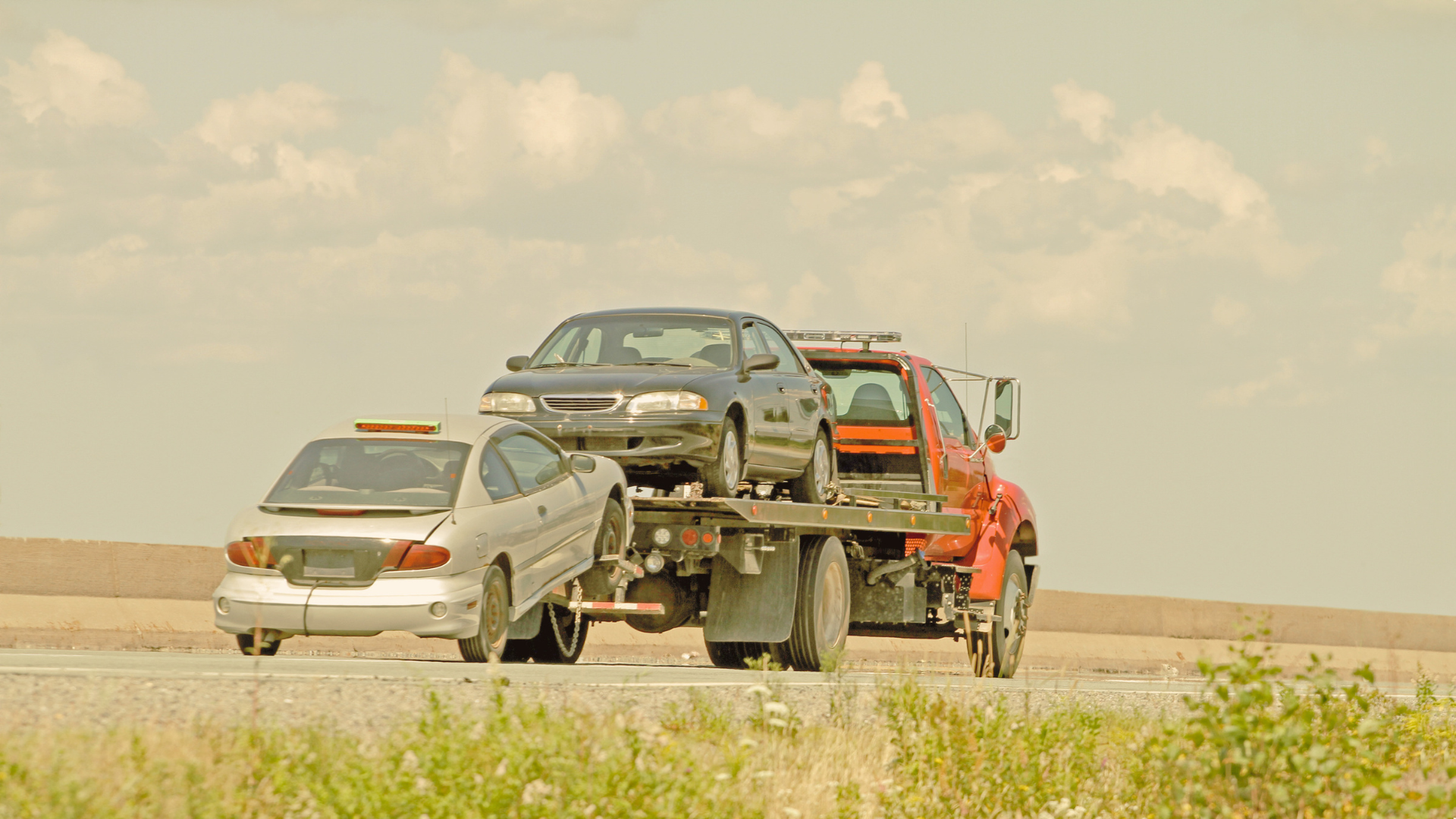
A high-speed collision on the New Jersey Turnpike or Garden State Parkway isn’t just a stressful event, t’s a high-stakes environment where every second counts. You are reeling from the shock, your vehicle is immobilized, and heavy traffic is barreling past at 65+ mph.
The reality? Most drivers make the situation worse by reacting out of panic. Whether you’re dealing with a minor fender-bender or a severe mechanical failure, knowing exactly how to execute a safe accident towing and recovery sequence is the difference between a controlled resolution and a secondary collision.
If you find yourself stranded on New Jersey’s major arteries, this is your tactical guide to staying safe and getting the right help.
Immediate Safety Protocols: The First 60 Seconds
When an accident occurs, your brain enters fight-or-flight mode. Override that impulse. Your primary goal is to minimize your “exposure time” to active traffic.
- Assess and Move: If your vehicle is operational and the accident is minor, carefully maneuver to the right shoulder. Never attempt to cross lanes of traffic to reach the left shoulder.
- Stay Inside (Usually): On high-speed highways like the Turnpike or Parkway, the interior of your car is the safest place to be. Keep your seatbelt fastened. If your vehicle is in a “live” lane and you are in immediate danger of being rear-ended, prioritize exiting the vehicle to a safe position behind the guardrail, only if you can do so without walking into traffic.
- Signal Your Status: Turn on your hazard lights immediately. If you have a bright cloth or a white handkerchief, display it on the side window facing traffic. This signals to State Police and authorized patrols that you are in need of assistance.
Understanding NJ Turnpike & Parkway Towing Restrictions
Many drivers don’t realize that New Jersey’s major highways operate under a closed system for towing.
The critical rule: You cannot simply call any random towing company to respond to an incident on the NJ Turnpike or Garden State Parkway. Only Authority-authorized garages are permitted to provide service on these roadways.
Why Does This Matter?
The New Jersey Turnpike Authority (NJTA) regulates the maximum rates authorized providers can charge. This prevents price gouging during your most vulnerable moments. If a non-authorized, “fly-by-night” tower approaches you on these specific highways, be extremely cautious. They likely do not have the legal clearance to operate there, and their presence could complicate your insurance claim or legal standing.
Comparison: Authorized vs. Unauthorized Response
| Feature | Authority-Authorized Provider | Unsolicited/Unauthorized Tower |
| Legal Access | Permitted to operate on NJTA highways | Often prohibited/restricted |
| Pricing | Regulated by NJTA maximum rates | Often predatory or excessive |
| Safety Training | Certified (WreckMaster/TRAA) | Varies; often uninsured |
| Accountability | State-monitored oversight | Minimal to none |
Tactical Recovery Steps
Once you have secured your safety, follow these steps to manage the recovery process effectively:
- Contact Authorized Help: For the New Jersey Turnpike, dial 833-TPK-4AID (833-875-4243). For the Garden State Parkway, use 833-GSP-4AID (833-477-4243). If these aren’t available, call 911.
- Document the Scene: If it is safe, use your smartphone to photograph the vehicle position, debris, and damage from multiple angles. Do not spend more than a minute doing this; your safety is worth more than the evidence.
- Information Exchange: If another vehicle is involved, exchange insurance and contact details. Crucial: Never admit fault at the scene. Stick to the facts when speaking to authorities.
- The “Tow Professional” Handover: Once the authorized recovery vehicle arrives, listen to the operator. They are trained to manage traffic flow and secure your vehicle. Ensure you receive a business card or a copy of the basic rates from the operator before they hook your vehicle.
Frequently Asked Questions
Can I choose my own towing company on the NJ Turnpike?
Generally, no. Due to the high-speed, high-traffic nature of these highways, the NJTA requires the use of authorized contractors to ensure safety and maintain traffic flow. You are strongly advised to wait for the official patrol or authorized service provider dispatched via the emergency numbers.
What should I do if a private tower tries to force a tow?
If an unsolicited tower approaches you, decline their services firmly. You have the right to request an authorized provider or wait for State Police. If you feel threatened or pressured, call 911 immediately.
Are there extra charges for specialized equipment?
Yes. If your vehicle is overturned, embedded in a guardrail, or stuck in a ditch, “winching” fees will apply in addition to the standard tow rate. These rates are also subject to NJTA regulation, so always ask for a clear explanation of the fees before the recovery work begins.
Should I call my insurance company immediately?
Yes, but prioritize safety and the police report first. Notify them that you are in a safe location, and provide them with the official case number once the police have arrived and processed the incident.
Safety Disclaimer: This guide is for informational purposes. Always defer to the instructions of law enforcement and emergency personnel at the scene of an accident. If you are ever in doubt regarding your safety, dial 911.
